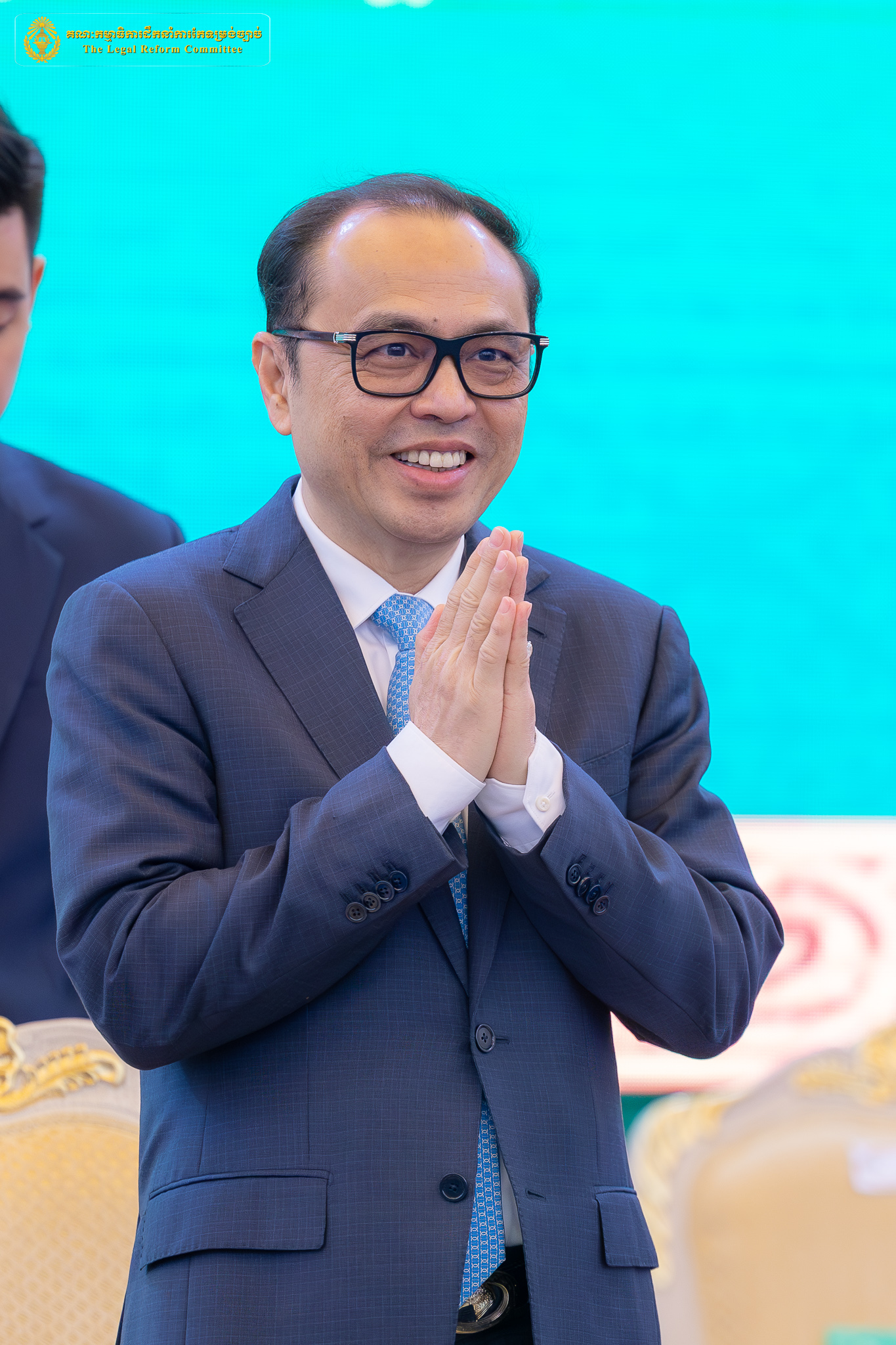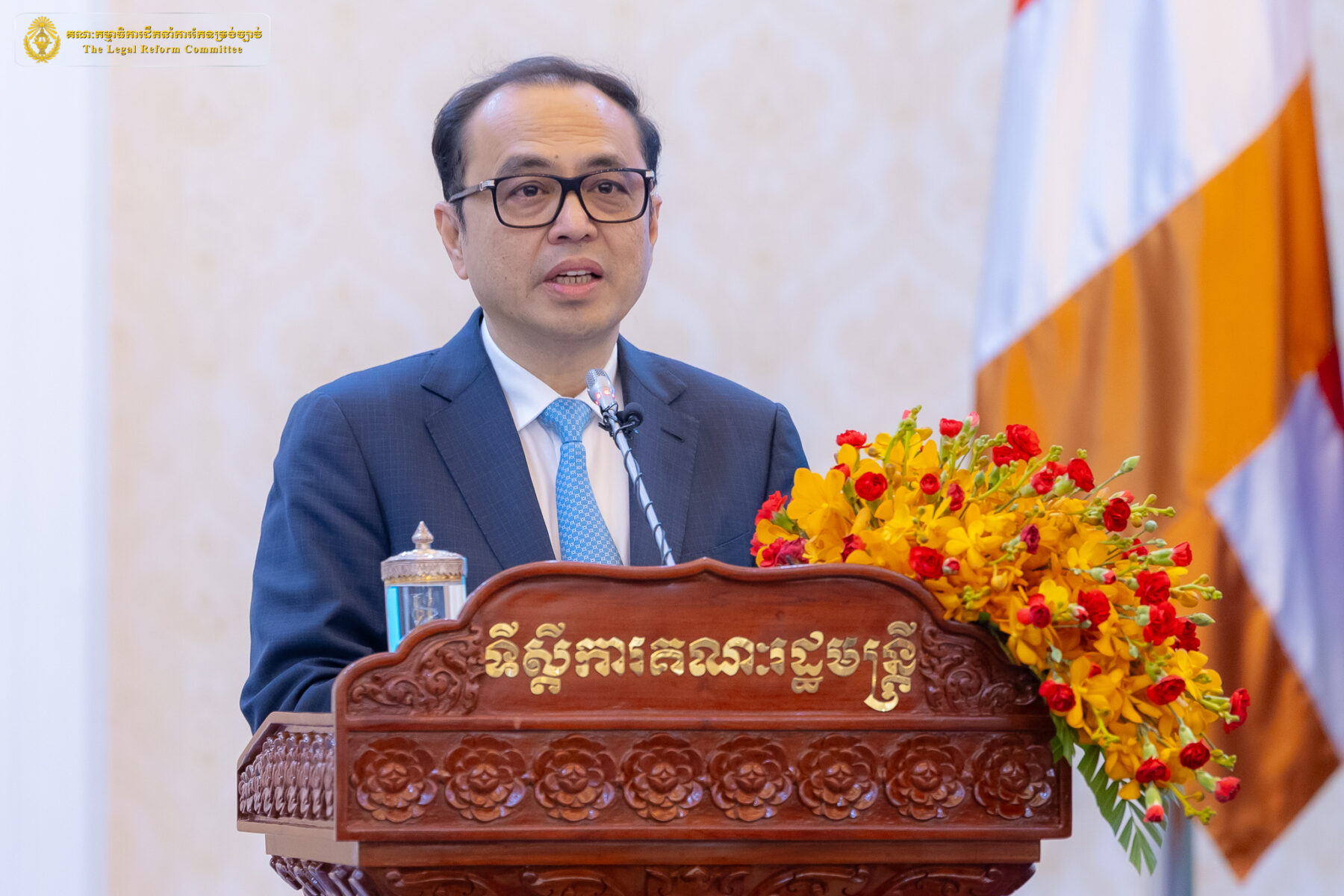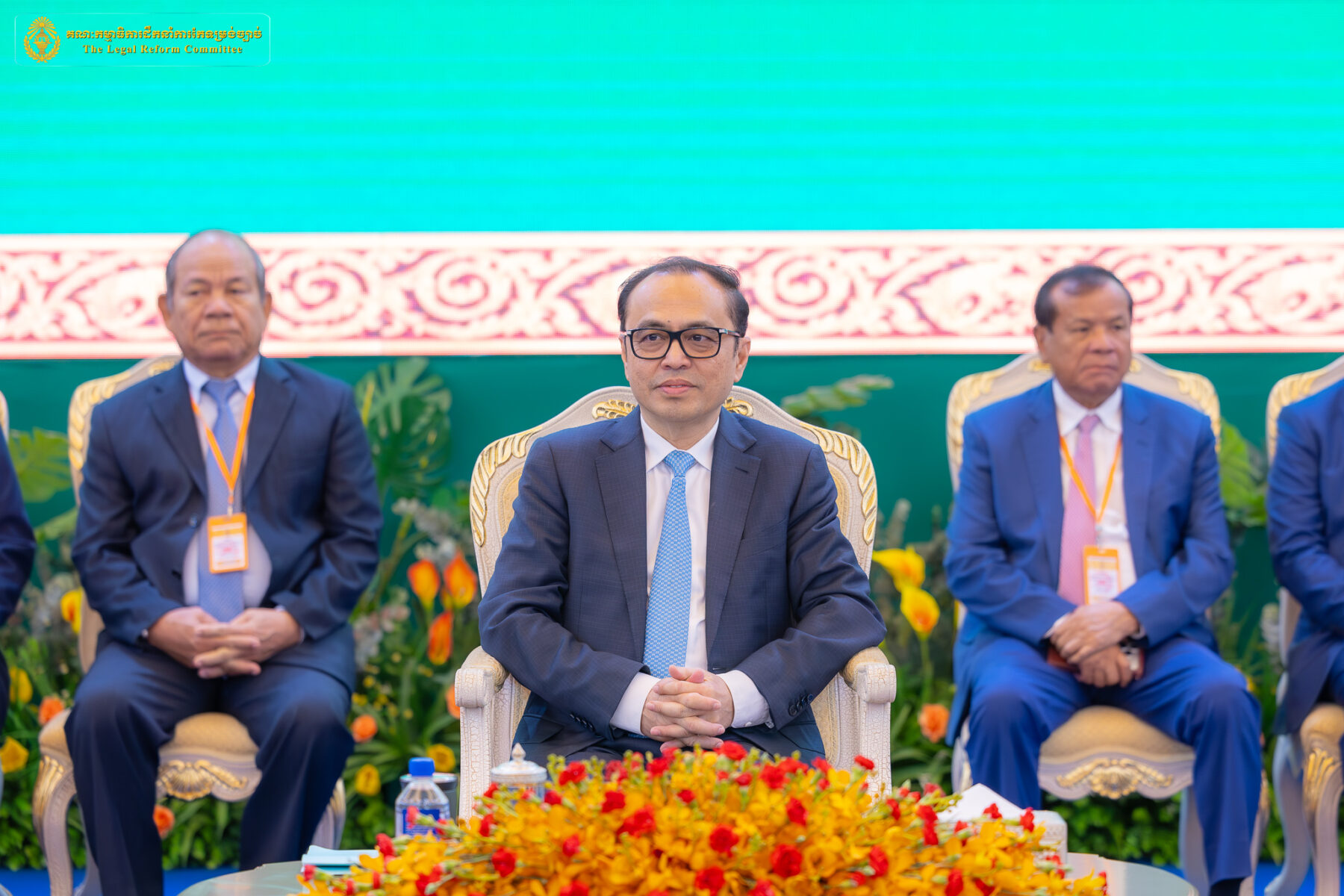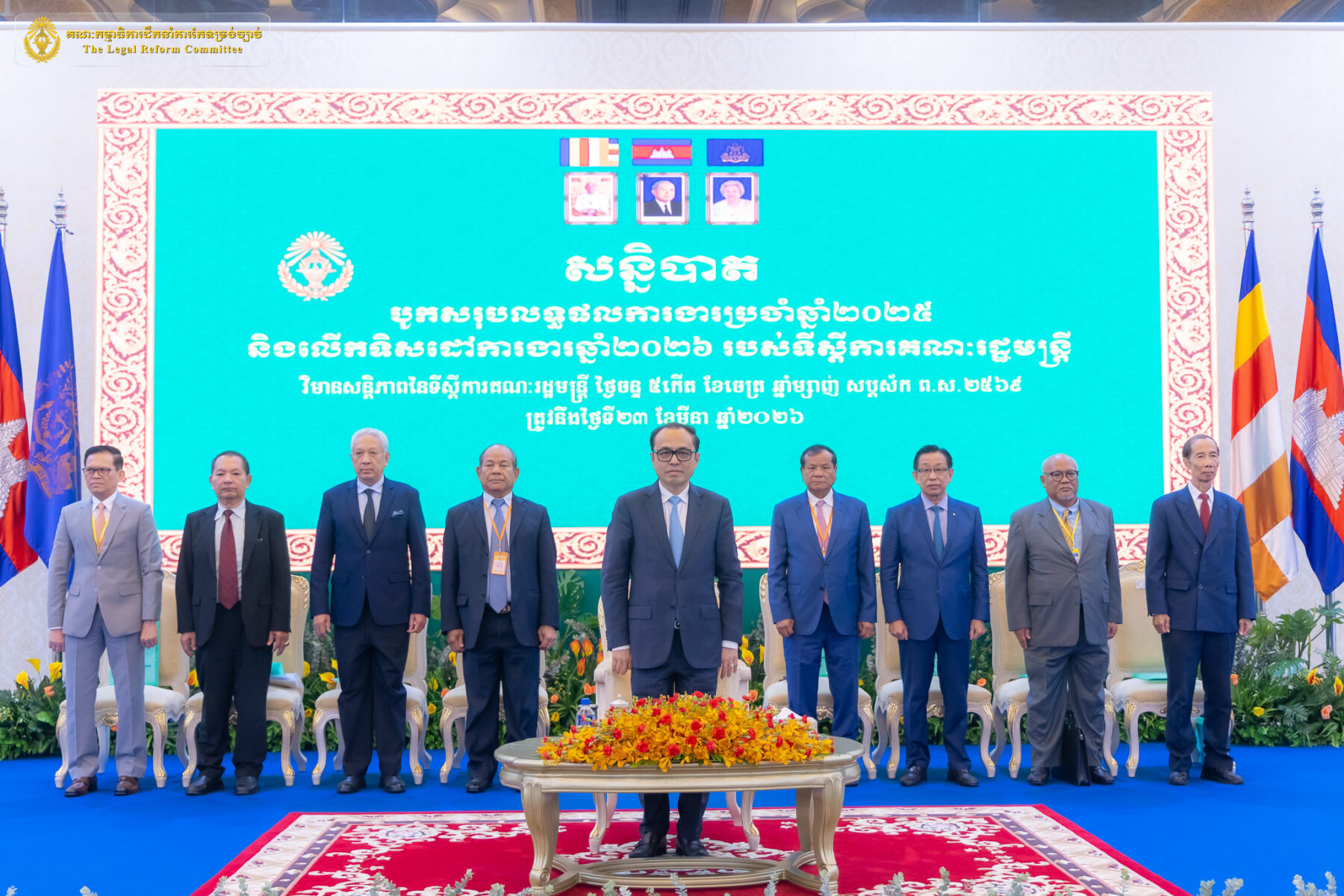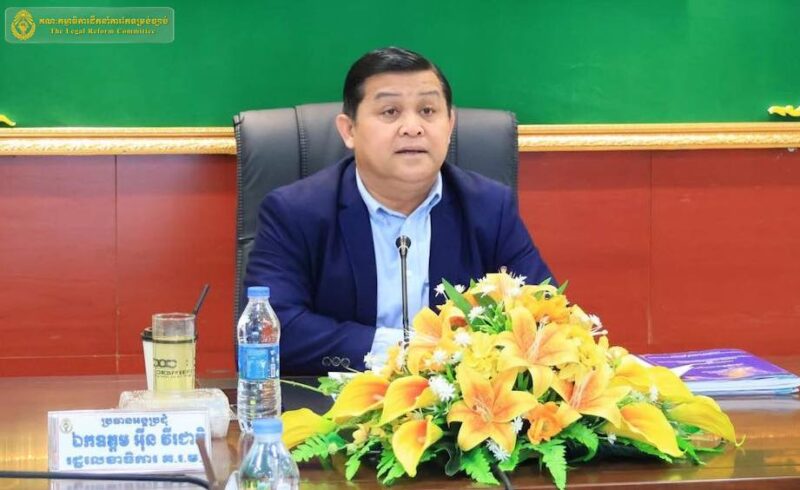


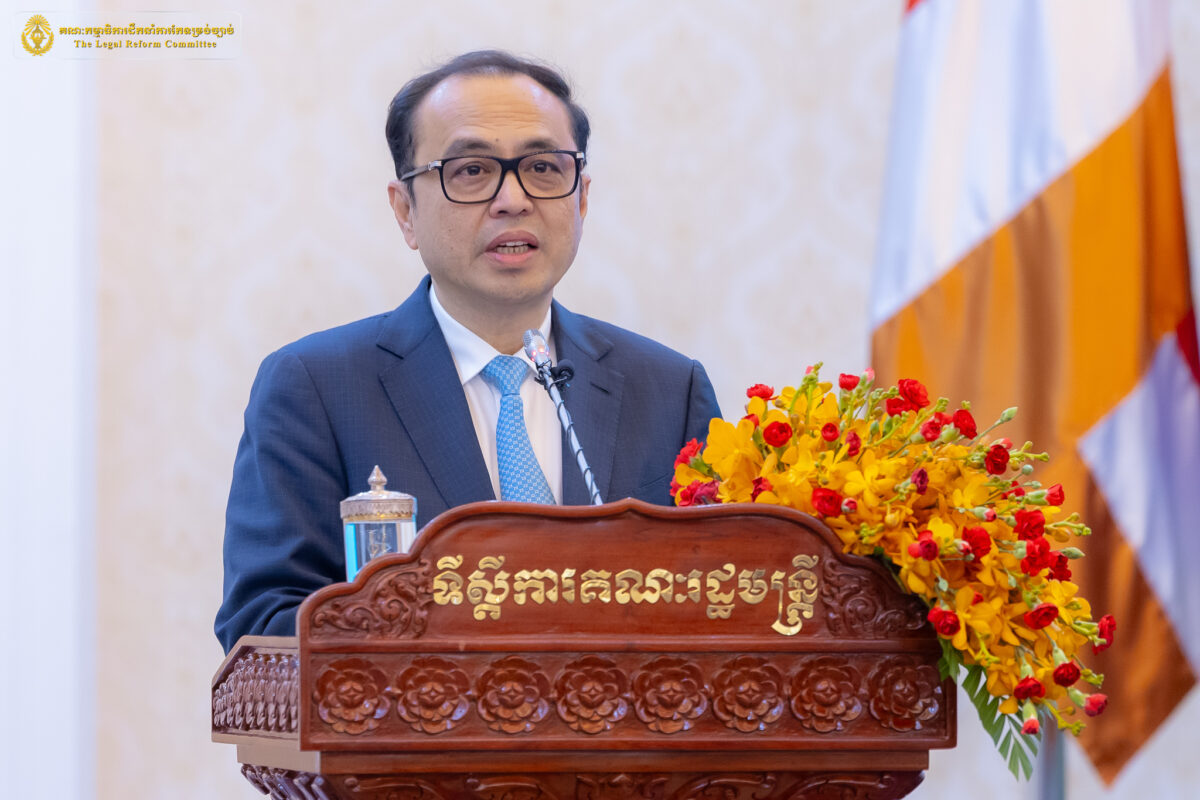
H.E. LY Chantola, Deputy Chairman and Secretary General of the Legal Reform Committee (LRC), attended the opening of the annual conference to review the 2025 work results and to set out the work directions for 2026 of the Office of the Council of Ministers.
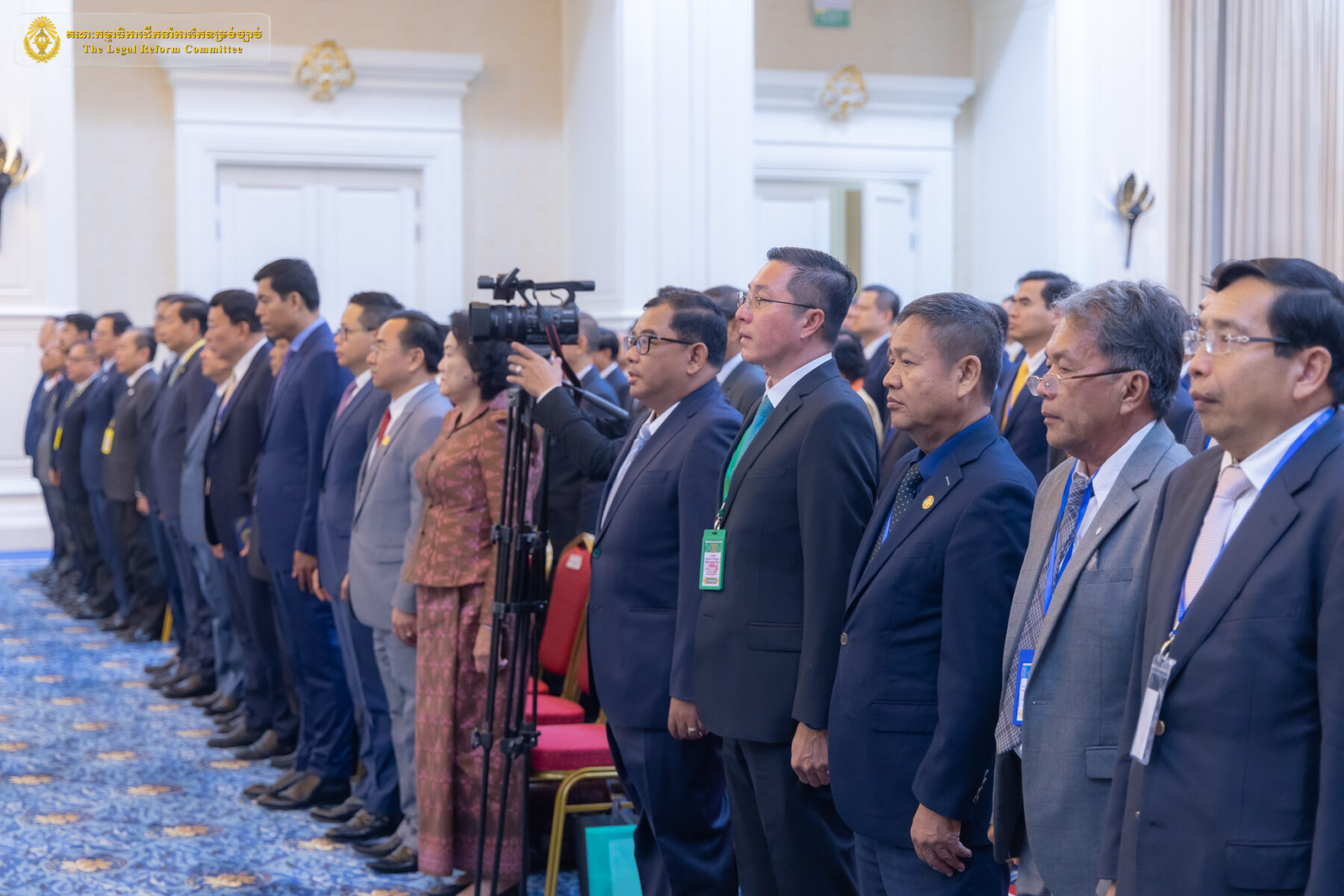
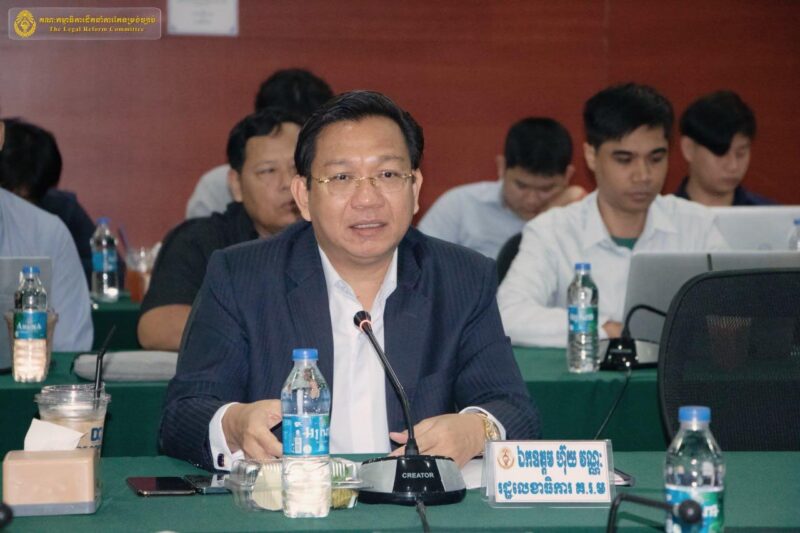
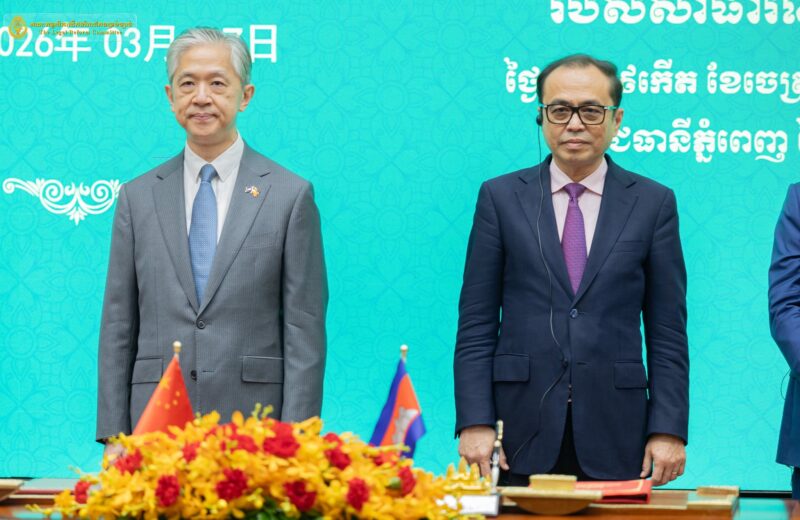
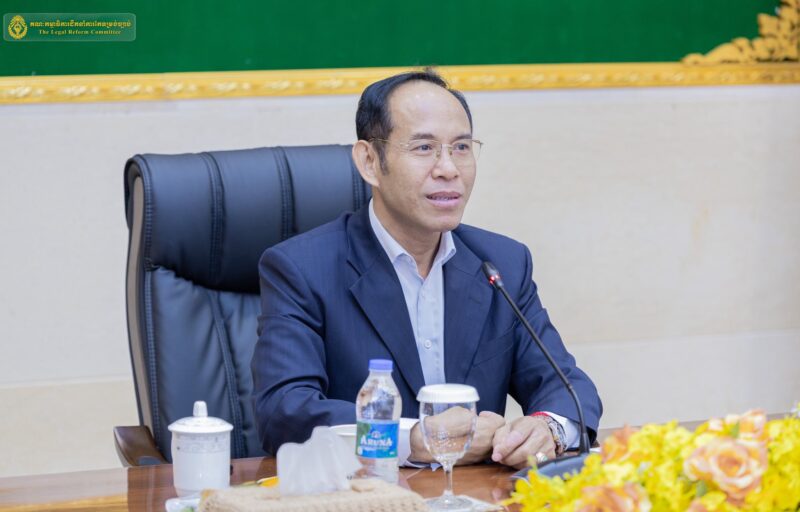
On the morning of Monday, March 23, 2026, at the Peace Palace, H.E. LY Chantola, Deputy Chairman and Secretary General of the Legal Reform Committee (LRC), accompanied by H.E. Pen Bunchea, Deputy Secretary General of the LRC, and H.E. Som Kunthea, Deputy Secretary General of the LRC, along with legal experts and officials of the General Secretariat of the LRC, attended the opening of the annual conference to review the 2025 work results and to define the work directions for 2026 of the Office of the Council of Ministers.
The conference was held under the presidency of H.E. Vongsey Vissoth, Permanent Deputy Prime Minister and Minister in charge of the Office of the Council of Ministers, representing Samdech Moha Borvor Thipadei Hun Manet, Prime Minister of the Kingdom of Cambodia. The event was attended by Senior Ministers, Ministers attached to the Prime Minister, Secretaries of State, Undersecretaries of State, Directors General, leaders and civil servants of the Office of the Council of Ministers, as well as representatives from various ministries and institutions, totaling approximately 600 participants.
H.E. Vongsey Vissoth conveyed the greetings and best wishes of Samdech Thipadei Hun Manet, Prime Minister of the Kingdom of Cambodia and head of the Office of the Council of Ministers, to all leaders and civil servants of the Office and the entire conference. He also highlighted the Prime Minister’s far-sighted and profound vision regarding the importance of the roles, duties, and strategic functions of the Office of the Council of Ministers as the staff body of the Royal Government and the Prime Minister.
The Permanent Deputy Prime Minister expressed his appreciation and high recognition to all leaders and civil servants at all levels for their strong commitment and achievements, which have contributed positively to the nation. These accomplishments include supporting the Royal Government in its role as a staff body, advancing governance reforms within the Office, and strengthening individual capacities through learning, training, teamwork, and, most importantly, maintaining unity and solidarity across the institution.
In his opening remarks, H.E. the Permanent Deputy Prime Minister reaffirmed the identity (sense of identity) of the Office of the Council of Ministers as an integral part of the Royal Government and the public sector, playing a crucial strategic role as the Government’s core supporting body in national governance, addressing major national issues, and advancing national development in service of the country and its people.
In this context, the Office has defined its vision as: “A highly capable, professional, and ethical institution delivering quality, efficiency, and sustainability in its role as the staff body of the Royal Government.” To guide the mindset and direction of leaders and civil servants, the Office has established four core values:
(1) Rule of law and protection of public interest; (2) Meritocracy; (3) Unity and inclusiveness; and (4) Professionalism and ethics.
In addition, four working approaches have been set to foster a sense of belonging and responsibility among all officials:
(1) Performing duties professionally with discipline, respect for laws, regulations, and professional ethics; (2) Working as a team based on shared values and common interests, with cooperation, coordination, mutual support, and respect for hierarchy and responsibilities; (3) Working proactively and creatively with a problem-solving mindset, avoiding the creation of new problems; (4) Embracing constructive criticism, openness to differing views, and self-reflection.These principles serve as the foundation for strengthening capacity, ownership, and a strong institutional work culture that promotes resilience, self-reliance, and continuous improvement.
H.E. the Permanent Deputy Prime Minister also highlighted the seven core functions, five coordination functions, and five supporting functions of the Office of the Council of Ministers. He emphasized institutional reform and capacity building, improvement of work systems, strengthening governance, public financial reform, human resource management, training, and digital transformation to ensure effective, efficient, and sustainable operations.
On this occasion, he expressed gratitude to all leaders and civil servants of the Office of the Council of Ministers for their generous contributions through donations, supplies, and various forms of support on three occasions, totaling approximately USD 350,000. These contributions supported displaced citizens and brave frontline soldiers who have sacrificed for the protection of Cambodia’s sovereignty and territorial integrity, reflecting a strong spirit of patriotism, national unity, and genuine love for the nation and its people.
In conclusion, H.E. the Permanent Deputy Prime Minister encouraged all participants to actively engage in discussions, provide constructive inputs, and identify strengths, weaknesses, and challenges particularly in the current global context marked by fragmentation, weakening international systems, increasing geopolitical and economic complexities, regional conflicts, technological crimes, and ongoing tensions in the Middle East. He called for collective efforts to find appropriate solutions, effectively respond to these challenges, and continue fulfilling the mission of serving the nation with integrity, courage, and dedication toward building resilience, ownership, sustainability, growth, and national self-defense capacity.